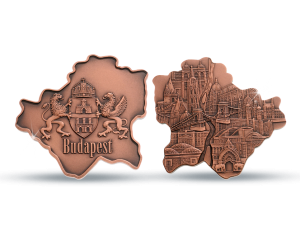
Description
Museum of Applied Arts A masterpiece of Hungarian Secession-style architecture, the building was erected between 1893 and 1896, based on the plans of Ödön Lechner and Gyula Pártos. Lechner enriched architecture by combining Eastern and Western styles into a unique Hungarian style, with the Museum of Applied Arts as a prime example of this. The architecture of the palace was unparalleled in the realm of European Secessionist style, with the exterior dominated by a huge, colorful dome and the interior spaces exuding an Eastern atmosphere. The glass entry hall with two floors of arcades which receives the guests was a great novelty. The ceramic tiles used for the exterior and the roof were fired by Zsolnay in Pécs. The Museum building was completed on 25 October 1896, while the institution and its collections have existed since 1872. Another interesting aspect was that it was the world’s third museum of applied arts, following the museums in London and Vienna.